Fair Trade
Knowledge
for Artisans
A training center dedicated to fair trade and solidarity economy for artisan producer cooperatives. We support processes, fair pricing, and pathways to alternative markets, without intermediating sales or managing funds.
Four pillars of our work
Each area of training is designed to strengthen cooperatives from the inside out, building capacity that belongs to the artisans themselves.
Process Certification
Guidance on documenting and certifying fair production processes so cooperatives can demonstrate quality and ethical standards to international buyers.
Fair Pricing
Training in cost analysis and price-setting methodologies that reflect the true value of artisan labor and materials, without undercutting cooperative members.
Alternative Markets
Identifying and connecting with fair trade networks, solidarity economy platforms, and ethical retail channels that prioritize producer welfare.
Export Documentation
Step-by-step training on the paperwork, customs requirements, and logistical processes needed to export artisan crafts from Mexico.
 Xalapa, Ver.
Knowledge stays with the cooperative
Vradela Xalapa operates as a training and certification center. We do not buy or sell artisan products on behalf of cooperatives, and we do not manage any cooperative funds. Every tool, every framework, every document template we share becomes the property of the cooperative that uses it.
This matters. Dependency on intermediaries has historically reduced artisan income. Our work is to eliminate that dependency by building knowledge that is owned, understood, and applied by the cooperatives themselves.
What we cover in depth
Each training module is developed in response to real challenges faced by cooperatives in Veracruz and across Mexico.
We walk cooperatives through the landscape of fair trade certification bodies active in Mexico and internationally. Training covers how to prepare documentation for external audits, what evaluators look for in production records, labor practices, and environmental impact. We explain the difference between self-certification and third-party certification, and when each is appropriate for different market channels. This module also addresses how to maintain certification over time, not just obtain it once.
Many artisan cooperatives undercharge for their work because standard cost-accounting tools were not designed with artisan production in mind. This module teaches cooperatives to account for raw material costs, tool depreciation, production time at a dignified hourly rate, cooperative overhead, and a sustainable margin. We also cover how to communicate price rationale to buyers, and how to hold a price position in negotiations without losing the relationship.
Beyond conventional retail, there is a growing ecosystem of markets designed to support artisan cooperatives fairly. This module maps the main fair trade networks, online solidarity economy platforms, museum shops, cultural institutions, and direct-to-consumer models that work well for Mexican artisan products. We train cooperatives to evaluate each channel for fit, profitability, and alignment with their values, and to manage relationships with multiple channels simultaneously.
Exporting artisan crafts from Mexico involves specific documentation requirements that vary by destination country and material type. This module covers commercial invoices, certificates of origin, phytosanitary and zoosanitary certificates where applicable (for natural fiber or organic material products), customs declarations, and how to work with a customs broker. We also address temporary export permits for craft fairs and cultural events abroad, and how to protect intellectual property in artisan designs.
A cooperative is only as strong as its internal governance. This module explores the foundational principles of the solidarity economy as they apply to artisan cooperatives: democratic management, equitable benefit distribution, transparency in accounts, and how to resolve internal conflicts without fracturing the group. We also cover how to onboard new members, how to document decisions formally, and how cooperative principles align with fair trade buyer expectations.
International buyers in fair trade channels increasingly ask about environmental practices. This module helps cooperatives document and communicate their existing sustainable practices, identify areas for improvement, and understand which environmental certifications or claims are recognized in export markets. We cover responsible sourcing of natural dyes, fibers, and materials, waste management in production, and how to present environmental commitments authentically without overstating them.
The training path
Initial consultation
We meet with the cooperative to understand its current situation, products, markets, and specific needs.
Tailored training plan
A focused curriculum is designed around the cooperative's actual goals, not a one-size-fits-all module.
Workshops and sessions
Practical, hands-on sessions in Xalapa or at the cooperative's location, delivered in accessible language.
Documentation support
Templates, checklists, and frameworks the cooperative keeps and applies independently after training.
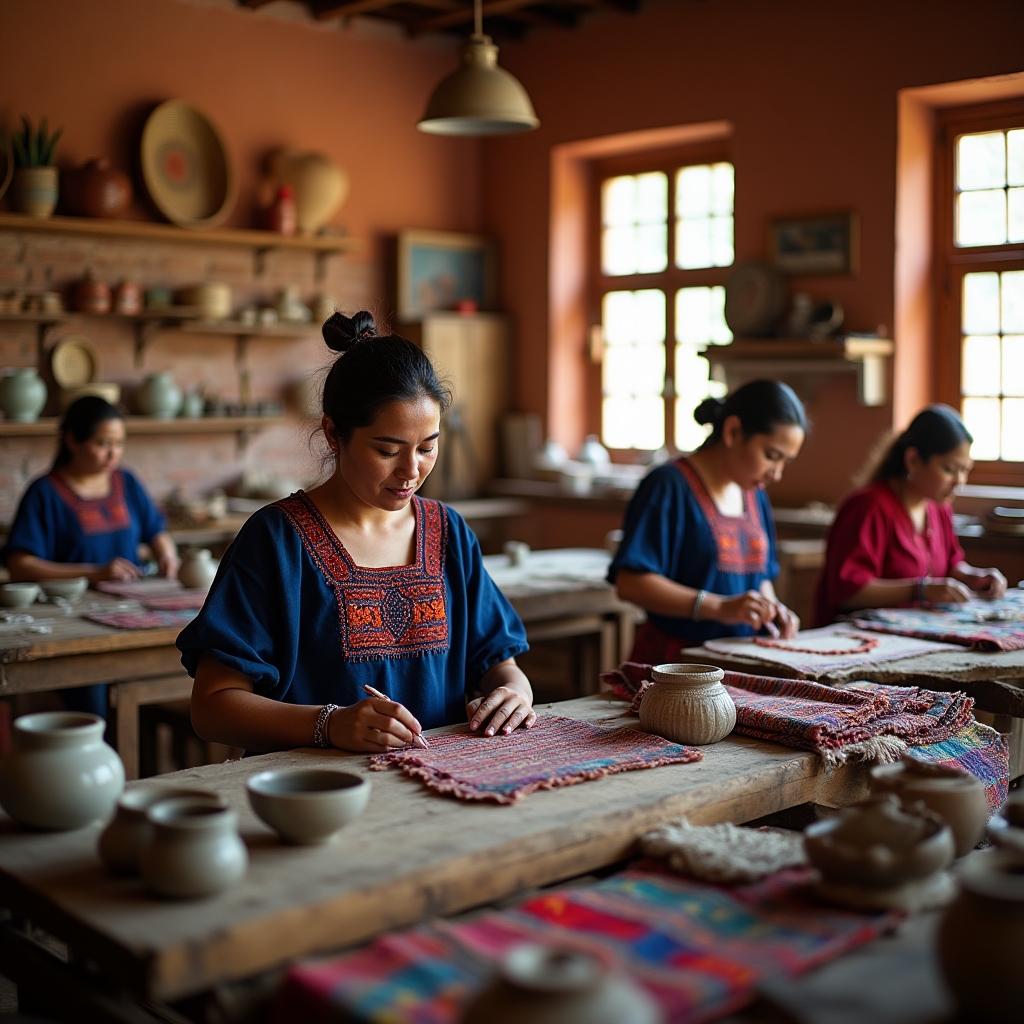
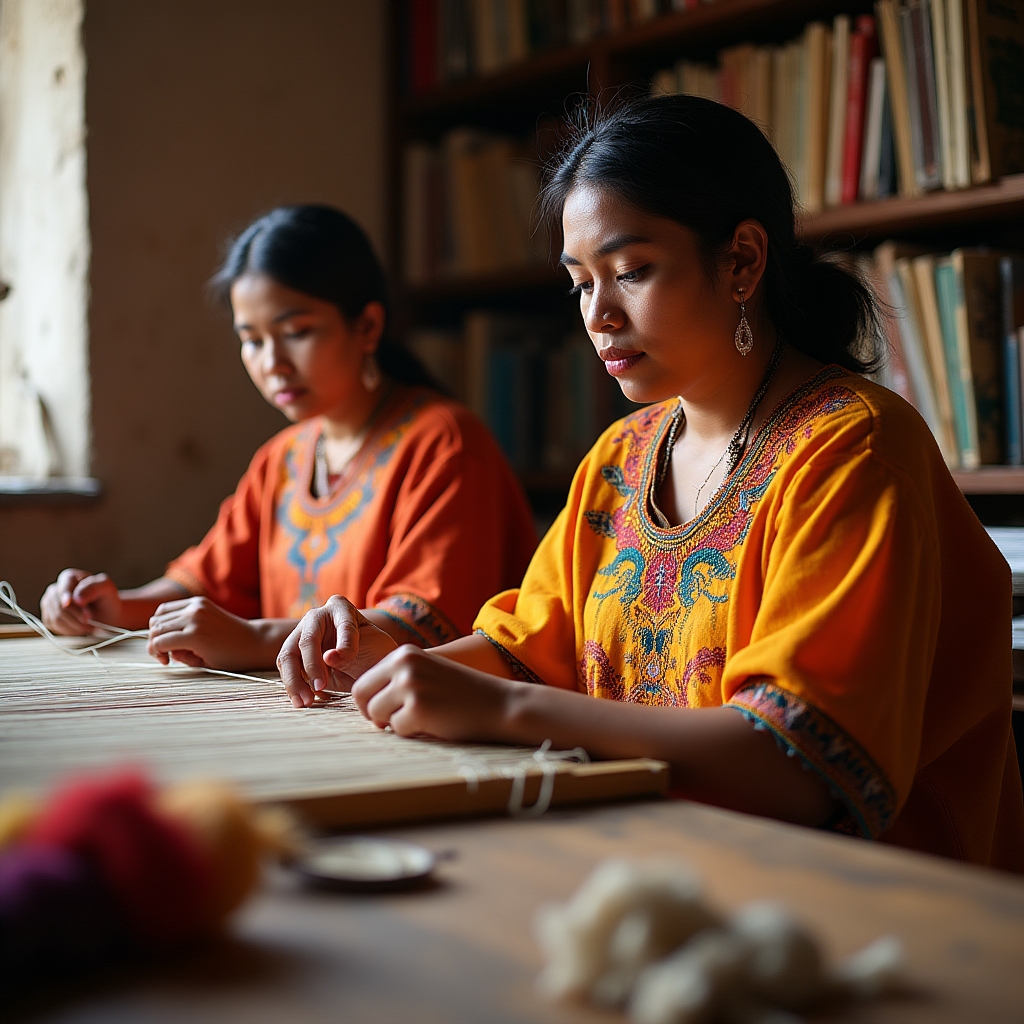
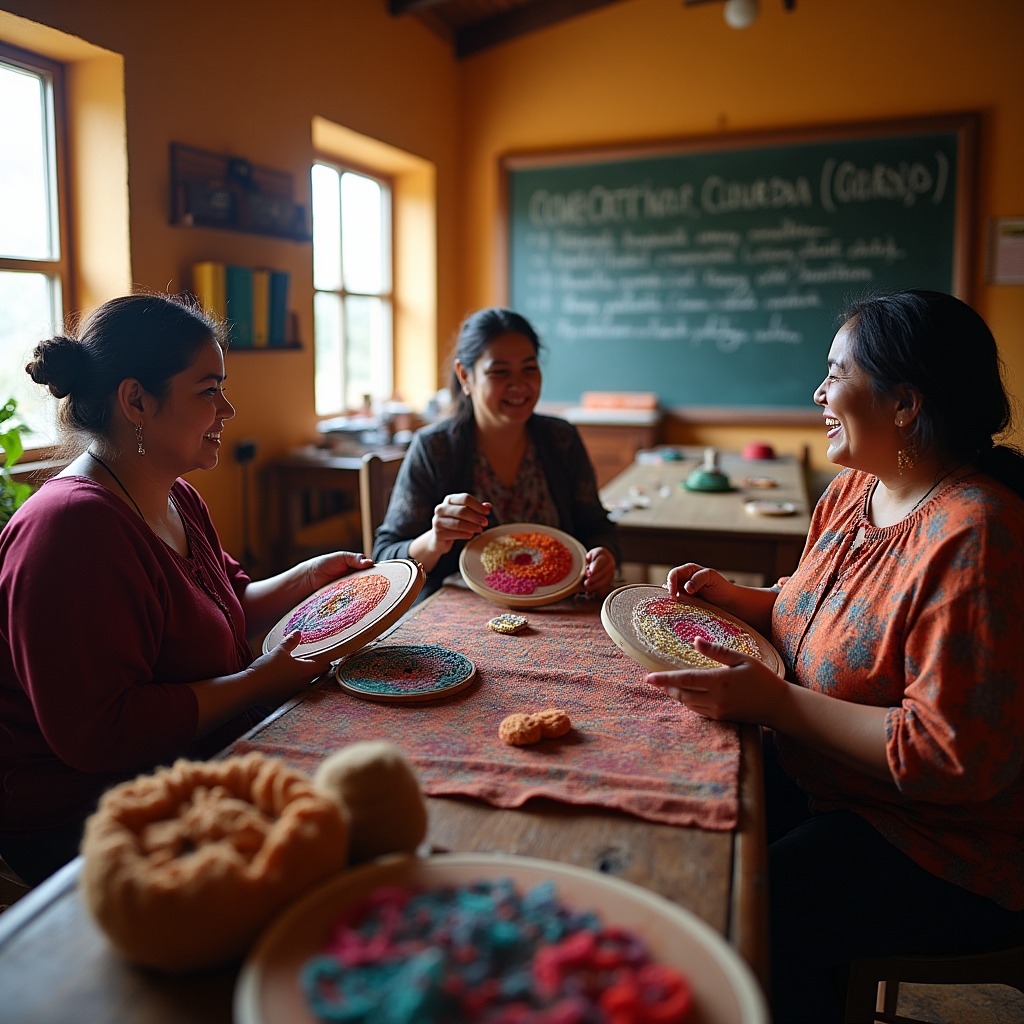
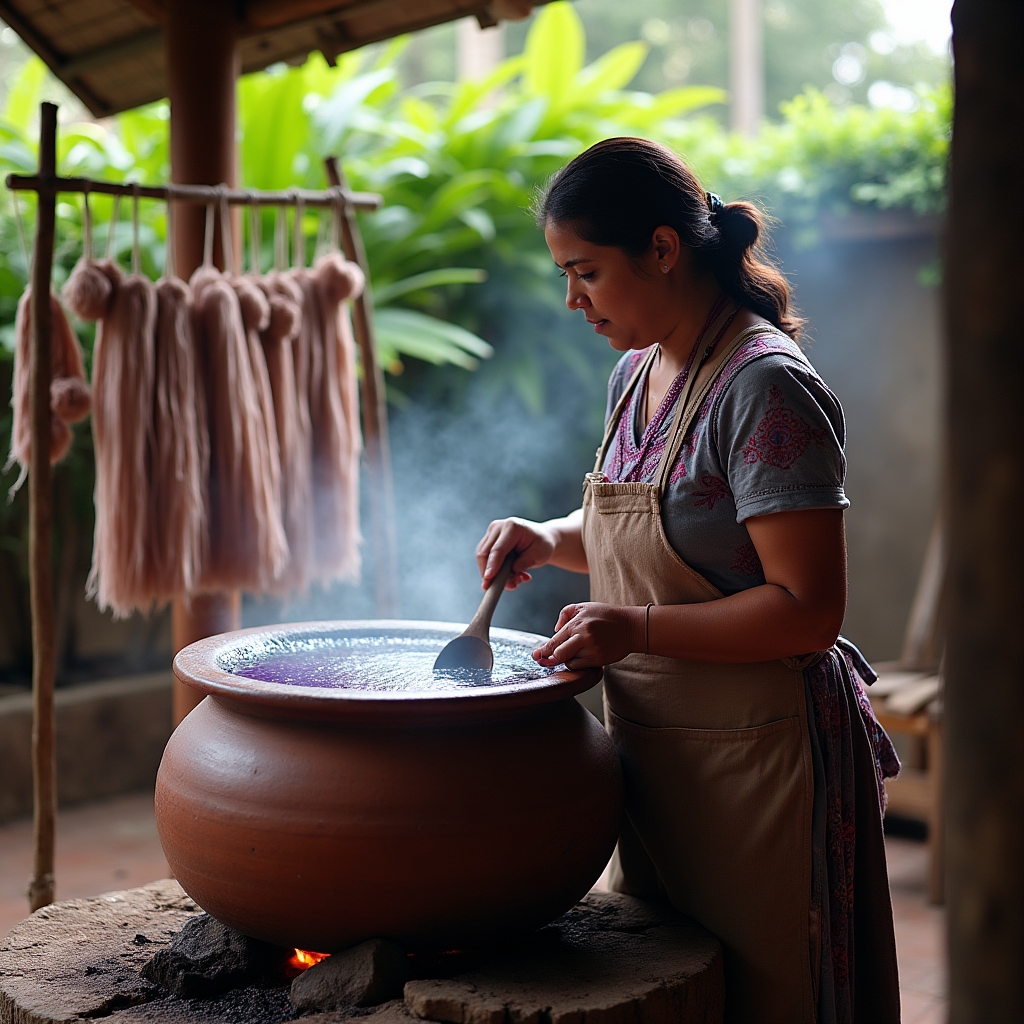
The crafts behind the cooperatives


Is your cooperative ready to grow?
Reach out to learn how our training programs can support your cooperative's path toward fair markets and dignified pricing.
Contact us